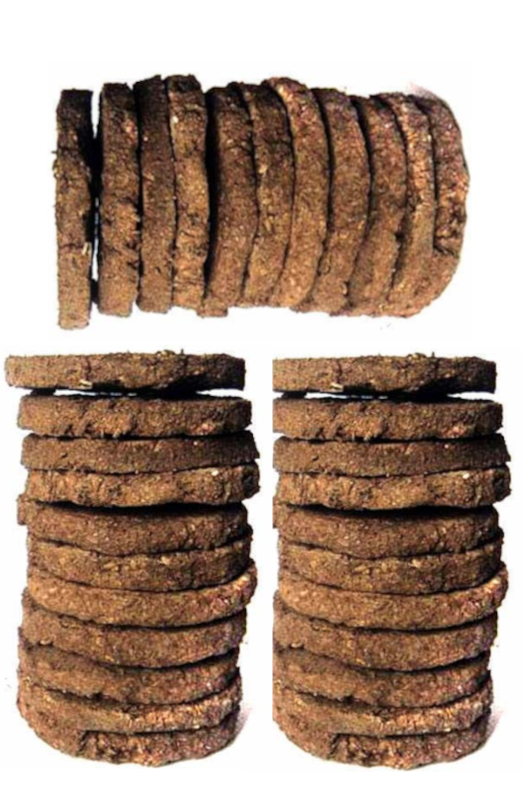
Panchgavya Nasya is associated with traditional Ayurvedic practices that involve administering a medicinal preparation through the nasal route. Panchgavya refers to five substances derived from the cow: milk, curd, ghee, cow urine, and cow dung-derived material. In some traditional formulations, these substances are combined with selected herbs according to the preparation method.
In Ayurveda, Nasya is a therapeutic practice traditionally associated with the head, nose, and sensory organs. It has been used in traditional wellness practices for concerns involving nasal discomfort and head-related symptoms. However, the safety and effectiveness of Panchgavya Nasya depend on its precise ingredients, preparation, sterility, and intended use.
Traditional Ingredients of Panchgavya Nasya
The formulation described for Panchgavya Nasya may include the following components:
1. Panchgavya Ingredients
The five traditional cow-derived substances are milk, curd, ghee, cow urine, and cow dung-derived juice or extract. Their inclusion and proportions may vary between preparations.
2. Traditional Ayurvedic Herbs
Depending on the formulation, herbs may include:
- Vacha (Acorus calamus)
- Cardamom (Elaichi)
- Triphala, comprising amla, haritaki, and bibhitaki
- Vidanga
- Licorice (Yashtimadhu)
- Long pepper (Pippali)
- Kutki
- Grapes or Draksha
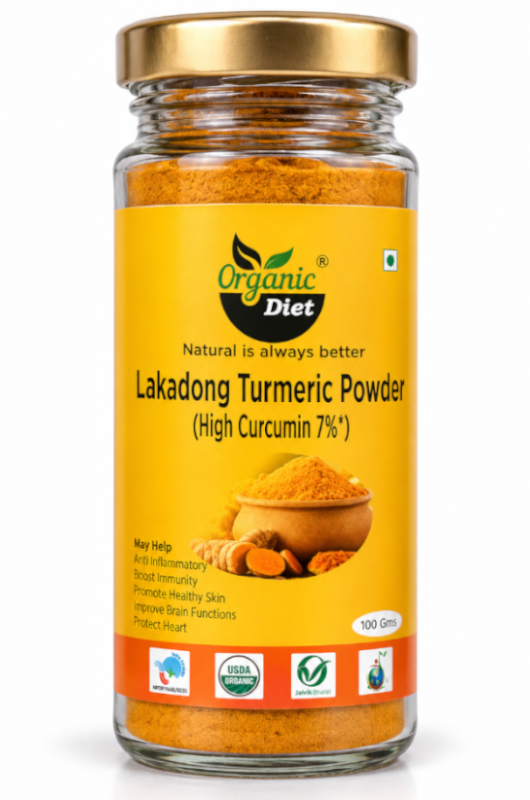
- Turmeric (Haldi)
- Nagarmotha
- Shankhpushpi
- White sandalwood
The actual ingredients should always be verified against the product label. Traditional use of these herbs does not establish that the finished preparation is safe or effective for nasal administration.
Traditional Uses and Potential Areas of Interest
1. Nasal and Sinus Wellness
Traditional Nasya practices are associated with nasal and sinus care. However, allergies, sinusitis, nasal congestion, and recurrent sneezing can have different causes and may require specific treatments. The effectiveness of Panchgavya Nasya for these conditions has not been established without reliable clinical evidence.
2. Stress, Sleep, and Mental Well-Being
Ayurvedic traditions associate certain Nasya preparations with head-related wellness. Claims that Panchgavya Nasya improves memory, treats depression or anxiety, or cures insomnia require appropriate scientific evidence. Persistent mental health or sleep problems should be discussed with a qualified healthcare professional.
3. Neurological Conditions
Conditions such as epilepsy, paralysis, and other neurological disorders require specialised medical assessment and evidence-based treatment. Panchgavya Nasya should not be regarded as a proven treatment for these conditions or used as a replacement for prescribed medication.
4. Hair, Eye, and Ear Concerns
Traditional descriptions sometimes associate Nasya with broader sensory and head-related wellness. However, claims about preventing hair loss or treating eye and ear disorders are not established simply by traditional use. These concerns may require separate evaluation by an appropriate medical specialist.
Directions for Use and Important Safety Precautions
Traditional instructions may describe warming a preparation slightly and administering drops into each nostril. However, **the dosage of two drops per nostril before bedtime should not be followed unless a qualified healthcare professional has confirmed that the specific product is suitable for nasal administration and has provided appropriate instructions**.
Cow-derived materials and herbal mixtures may carry microbial contamination, irritants, or other substances that are unsuitable for the nasal passages. A preparation intended for oral or external use must not be assumed to be safe for nasal use. Use only products specifically formulated for the intended route, with appropriate quality and safety controls.
Do not use an unverified preparation in the nose, and seek professional advice before use, particularly for children, pregnant or breastfeeding individuals, or people with existing medical conditions.
Conclusion
Panchgavya Nasya represents a traditional Ayurvedic approach involving cow-derived substances and, in some formulations, selected medicinal herbs. Although it has traditional associations with nasal and head-related wellness, claims concerning sinus disease, allergies, memory, sleep, neurological disorders, or other medical conditions require reliable evidence.
Understanding the exact formulation, confirming its suitability for nasal use, and consulting a qualified healthcare professional are essential steps before considering this practice.
Disclaimer: This article is for educational purposes only and does not replace medical advice, diagnosis, or treatment. Do not discontinue prescribed treatment for any medical condition in favour of Panchgavya Nasya.