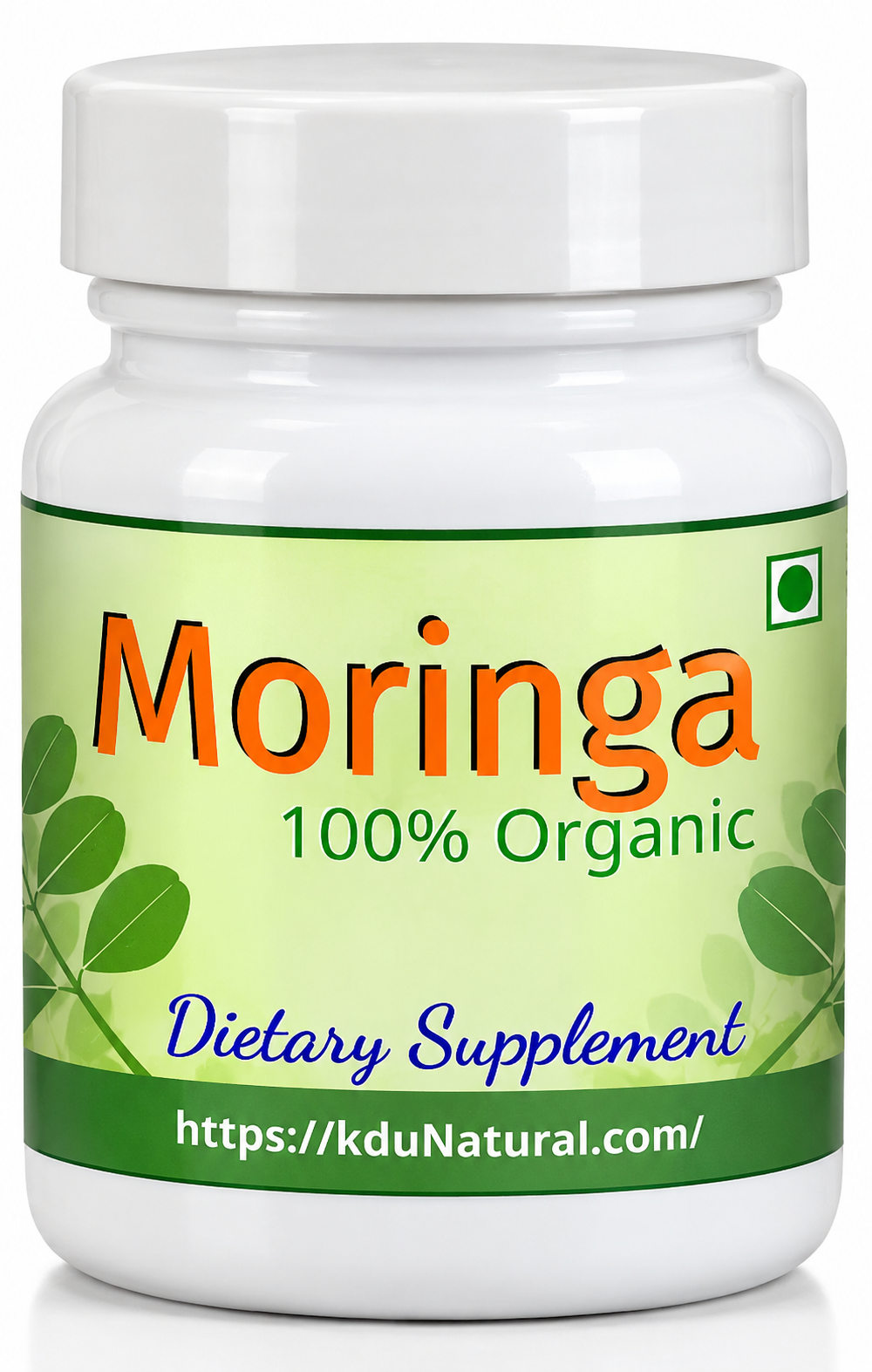
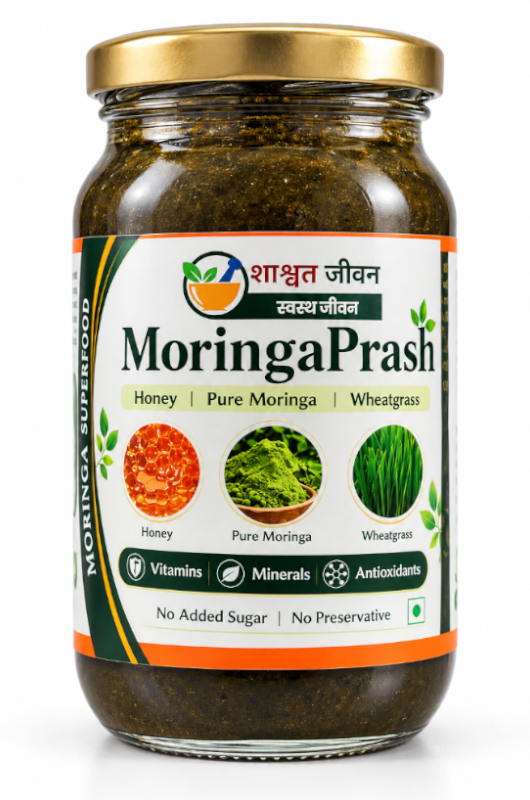
Moringa Powder, also known as Sahjan Churna, is made from the leaves of the moringa tree (Moringa oleifera), a plant widely valued in traditional Indian diets. Moringa leaves contain a variety of nutrients, making the powder a popular addition to balanced meals and wellness routines.
Moringa Powder is appreciated for its nutritional content, including vitamins, minerals, plant-based protein, and amino acids. It can be incorporated into everyday diets as part of a healthy lifestyle.
Nutritional Benefits of Moringa Powder
1. A Source of Vitamins and Minerals
Moringa leaves contain several essential nutrients, including provitamin A carotenoids, vitamin C, calcium, potassium, and iron. The exact nutritional content of Moringa Powder depends on the growing conditions, processing methods, and storage.
Adding Moringa Powder to a varied diet can help increase dietary diversity. However, it should not be considered a replacement for a balanced diet or prescribed nutritional supplements.
2. Contains Plant-Based Protein and Amino Acids
Moringa leaves contain protein and amino acids that contribute to the plant's nutritional value. Protein is essential for maintaining muscles, repairing tissues, and supporting normal body functions.
The amount of protein obtained from a typical serving of Moringa Powder depends on the quantity consumed. It is best used alongside other protein sources such as lentils, beans, nuts, seeds, and dairy products.
3. Supports Healthy Blood Sugar Management
Moringa has been studied for its potential effects on blood glucose regulation. However, current evidence is insufficient to establish Moringa Powder as a treatment for diabetes or to guarantee that it reduces diabetes symptoms.
People with diabetes should monitor their blood glucose levels and consult a healthcare professional before using Moringa supplements, particularly if they take medicines that lower blood sugar.
4. Supports Healthy Cholesterol Levels
Some preliminary research has explored the potential effects of moringa on cholesterol levels. However, reliable evidence is not yet sufficient to confirm that Moringa Powder consistently maintains healthy cholesterol levels in humans.
A heart-conscious lifestyle that includes balanced nutrition, regular physical activity, and appropriate medical care remains essential for managing cholesterol.
5. Supports Digestive Wellness
Moringa leaves contain dietary fibre, which contributes to a healthy diet and can support normal bowel function. The fibre content of the finished powder varies depending on processing and serving size.
Adequate water intake, fibre-rich foods, regular physical activity, and balanced meals are important for maintaining digestive health.
How to Include Moringa Powder in Your Diet
Moringa Powder has a distinctive green, earthy flavour and can be added to various foods and beverages.
- Smoothies: Blend a small quantity into fruit or vegetable smoothies.
- Soups: Stir it into soups shortly before serving.
- Dal and vegetables: Add it to selected cooked dishes.
- Yogurt: Mix it into plain yogurt with other nutritious ingredients.
- Warm beverages: Use it in a suitable beverage according to the product's preparation instructions.
Start with the serving size recommended on the product label, and avoid excessive consumption.
Precautions and Responsible Use
Although moringa leaves are used as food, concentrated supplements may not be suitable for everyone. People who are pregnant or breastfeeding, have existing medical conditions, or take regular medicines should consult a qualified healthcare professional before using Moringa Powder medicinally.
Individuals taking diabetes or blood pressure medicines should be particularly careful because potential interactions or additional effects have not been fully established. Choose products from reputable manufacturers and check the ingredient list, quality information, and storage instructions.
Conclusion
Moringa Powder, or Sahjan Churna, is a plant-based food ingredient valued for its vitamins, minerals, fibre, and protein. It can be a useful addition to a balanced diet and may contribute to overall nutritional variety.
However, it should not be promoted as a proven treatment for diabetes, high cholesterol, or digestive disorders. Consistent healthy eating habits and appropriate medical care remain important for long-term health.
Disclaimer: This article is for general informational purposes only and does not replace professional medical advice, diagnosis, or treatment.