Introduction to Desi Khand
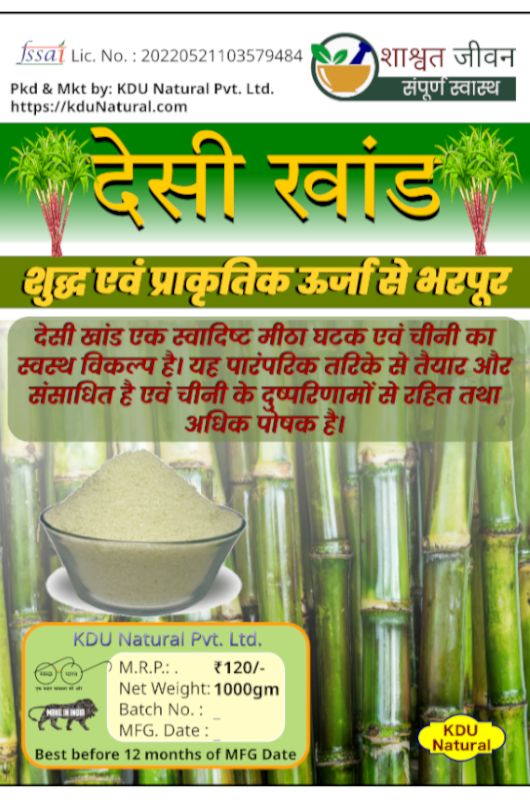
Desi Khand, also known as Khandsari, is a traditional Indian sugar product made from sugarcane juice. It is valued for its characteristic light-brown or golden appearance, distinctive flavour, and place in India's traditional food culture.
Unlike highly refined white sugar, Desi Khand may undergo less processing, depending on the manufacturing method. Its colour and flavour can vary according to the sugarcane variety, production process, and level of refinement.
For generations, traditional sugar products have been used in Indian households to sweeten tea, milk, desserts, homemade sweets, and everyday recipes. Desi Khand continues this culinary tradition by offering a different taste and texture from conventional white sugar.
For consumers interested in traditional foods and minimally processed ingredients, Desi Khand can be an appealing option. However, it is important to remember that it is still primarily a source of sugar and should be consumed in moderation.
What Is Desi Khand?
Desi Khand is a traditional sugarcane-derived sweetener produced by extracting juice from sugarcane, clarifying it, concentrating it through heating, and allowing sugar crystals to form through an appropriate manufacturing process.
Khandsari production methods can vary, and the finished product may contain varying amounts of molasses and other naturally occurring components. These differences influence its colour, aroma, texture, and flavour.
Desi Khand is commonly used in traditional Indian cooking because it offers a distinctive sweetness that complements both simple beverages and elaborate desserts.
Key Characteristics of Desi Khand
1. Traditional Sugarcane-Based Sweetener
Desi Khand is made from sugarcane and reflects a long-standing Indian tradition of producing and using sugarcane-based sweeteners.
2. Distinctive Colour and Flavour
Its light-brown or golden colour and earthy, caramel-like flavour can add character to beverages, sweets, and other recipes.
3. Varying Levels of Processing
Depending on the producer, Desi Khand may be less refined than white sugar. Check the product label and manufacturing information to understand how it is made.
4. Versatile Everyday Ingredient
It can be used in tea, coffee, milk, kheer, halwa, homemade sweets, and many other dishes where a traditional sugar flavour is desirable.
Potential Benefits of Choosing Desi Khand
Desi Khand offers several culinary advantages and may appeal to people who prefer traditional sugar products. Its nutritional value, however, depends on its composition and processing.
1. A Traditional Alternative to Refined White Sugar
Desi Khand can provide an alternative to refined white sugar in everyday recipes. Depending on its production method, it may retain some naturally occurring components that are removed during more extensive refining.
However, its traditional appearance or less-refined status does not automatically make it healthier. Both products are concentrated sources of sugar and contribute to daily sugar intake.
2. Provides Energy
Desi Khand contains sugars, primarily sucrose, that the body can use for energy. It can therefore supply readily available calories when added to food or beverages.
Since most of its energy comes from sugar, it should be consumed in appropriate amounts as part of a balanced diet.
3. May Contain Small Amounts of Minerals
Depending on its processing and composition, less-refined sugar products may retain small amounts of minerals such as potassium, calcium, magnesium, and iron.
The amounts vary between products and are generally not sufficient to make Desi Khand a reliable source of essential minerals. A varied diet containing vegetables, fruits, pulses, whole grains, nuts, and seeds is a better way to obtain these nutrients.
4. Distinctive Taste for Traditional Recipes
One of the main advantages of Desi Khand is its flavour. Its characteristic sweetness and subtle caramel-like notes can complement traditional Indian foods.
It can be particularly suitable for recipes where the flavour of sugar is an important part of the final dish.
5. An Option for Traditional Food Preparation
Desi Khand can be incorporated into home cooking as part of a traditional food preparation approach. Consumers who prefer products made using specific production methods can check the ingredients, processing details, and quality certifications provided by the manufacturer.
Important nutritional clarification: There is insufficient evidence to assume that Desi Khand has a lower glycaemic index than refined white sugar, improves digestion, strengthens immunity, or provides meaningful health benefits simply because it is less refined. People with diabetes should account for its carbohydrate and sugar content just as they would with other sweeteners.
How to Use Desi Khand in Everyday Life
1. Tea and Coffee
Add a suitable amount of Desi Khand to tea, coffee, or milk-based beverages. Adjust the quantity to achieve your preferred sweetness.
2. Traditional Indian Desserts
Use it in kheer, halwa, laddoos, homemade sweets, and puddings. Its flavour can complement cardamom, nuts, and other traditional ingredients.
3. Cooking and Baking
Desi Khand can be used in selected baking recipes, sauces, and sweet dishes. Since its colour, crystal size, and moisture content can differ from white sugar, recipe adjustments may be necessary.
4. Yogurt and Fruit Preparations
A small amount can be added to homemade yogurt preparations or fruit dishes when additional sweetness is desired. Unsweetened options are also a good everyday choice.
Who Should Consume Desi Khand in Moderation?
Although Desi Khand is a traditional sweetener, it remains a source of sugar.
- People with diabetes: Monitor carbohydrate intake and blood glucose, and follow advice from your healthcare professional.
- People managing their weight: Account for the calories from added sugars in your overall diet.
- People concerned about dental health: Frequent sugar exposure can contribute to tooth decay, so maintain good oral hygiene.
- Children: Limit added sugars and prioritise nutrient-rich foods and unsweetened beverages.
For general health, the World Health Organization recommends keeping free sugars below 10% of total daily energy intake, with a further reduction to below 5% offering additional benefits. This guidance applies to sugar from traditional and refined sweeteners alike.
Frequently Asked Questions About Desi Khand
1. Is Desi Khand healthier than white sugar?
Not necessarily. Desi Khand may undergo less refining and may retain small amounts of certain minerals, but its main component is still sugar. The overall difference in health impact is limited when both are consumed in similar amounts.
2. Is Desi Khand suitable for people with diabetes?
It should not be considered a diabetes-friendly or blood-sugar-lowering sweetener. Like white sugar, it can raise blood glucose. People with diabetes should manage their intake with guidance from their healthcare professional.
3. Is Desi Khand always sulphur-free?
No. The manufacturing process varies between producers. Check the packaging and reliable product documentation rather than assuming every product is sulphur-free.
4. Can Desi Khand be used instead of white sugar in cooking?
Yes, in many recipes. However, differences in flavour, colour, crystal size, and moisture can affect the final result.
5. Does Desi Khand contain iron and calcium?
It may contain small amounts, depending on processing and composition. The actual quantity should be established through reliable nutritional analysis.
6. How should Desi Khand be stored?
Store it in an airtight container in a cool, dry place. Protect it from moisture and contamination to help maintain its quality.
Conclusion
Desi Khand, or Khandsari, is a traditional Indian sugarcane-based sweetener appreciated for its distinctive flavour, characteristic colour, and versatility in cooking. It can be used in beverages, desserts, and everyday recipes as an alternative to refined white sugar.
Its appeal lies primarily in its traditional production methods and culinary qualities. Although some less-refined varieties may retain small quantities of naturally occurring minerals, Desi Khand is still a concentrated source of sugar and should be consumed in moderation.